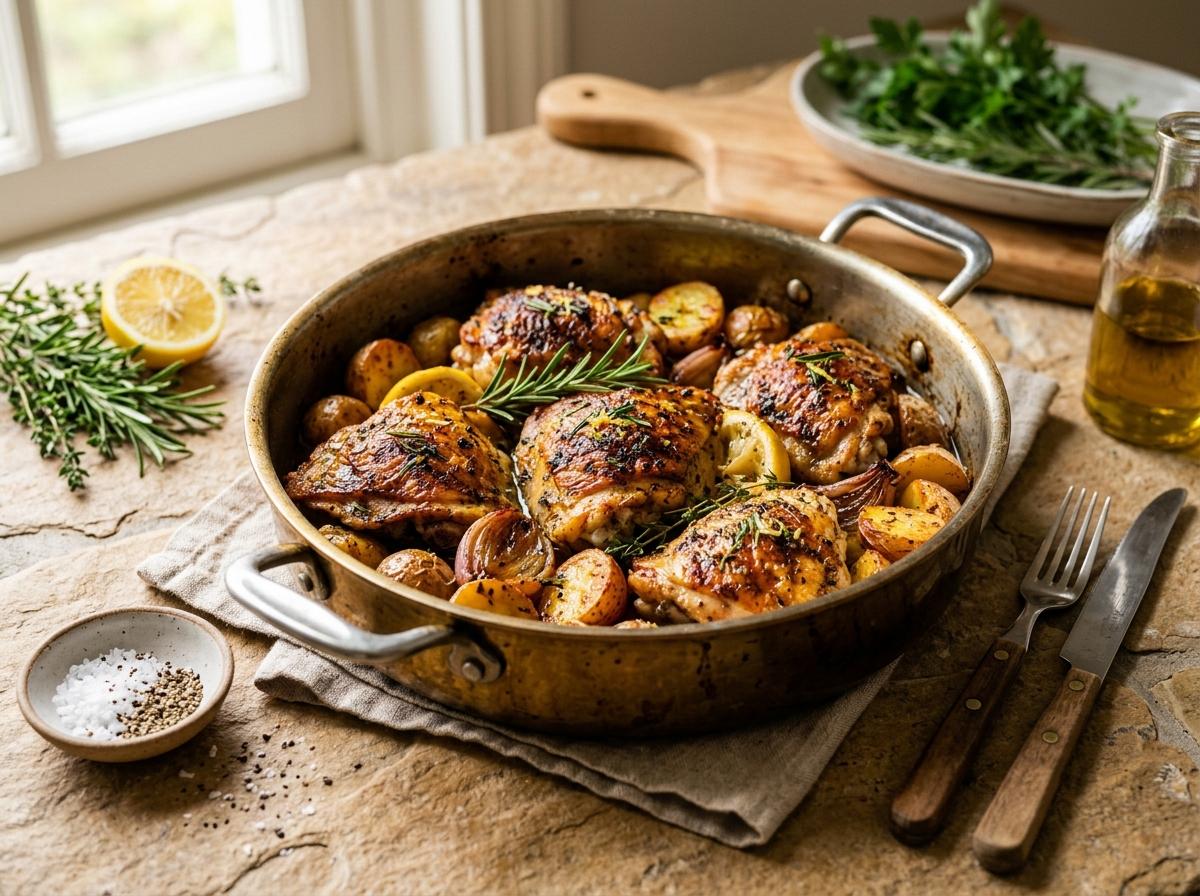
Essential Cooking Tips: USDA Safe Meat Temperatures, Pan Deglazing & Herb Storage
Master foundational kitchen techniques: the water-drop skillet preheat test, official USDA internal cooking temperatures, pan deglazing, and storing fresh herbs.
Consistent home cooking relies on three simple habits: preheating your skillet properly before adding oil, using a digital food thermometer to verify safe internal temperatures, and controlling moisture when storing fresh produce.
This guide covers the Leidenfrost water-drop test for stainless-steel and cast-iron pans, official USDA safe minimum internal temperature targets, 60-second pan sauce deglazing, and how to keep parsley, cilantro, and basil fresh.
Why This Method Works
- Preheating dry stainless steel or cast iron prevents proteins from sticking.
- Follows official USDA safe minimum internal temperature standards for poultry, meat, and fish.
- Proper stem-water storage keeps fresh cilantro and parsley crisp for up to 10–14 days.
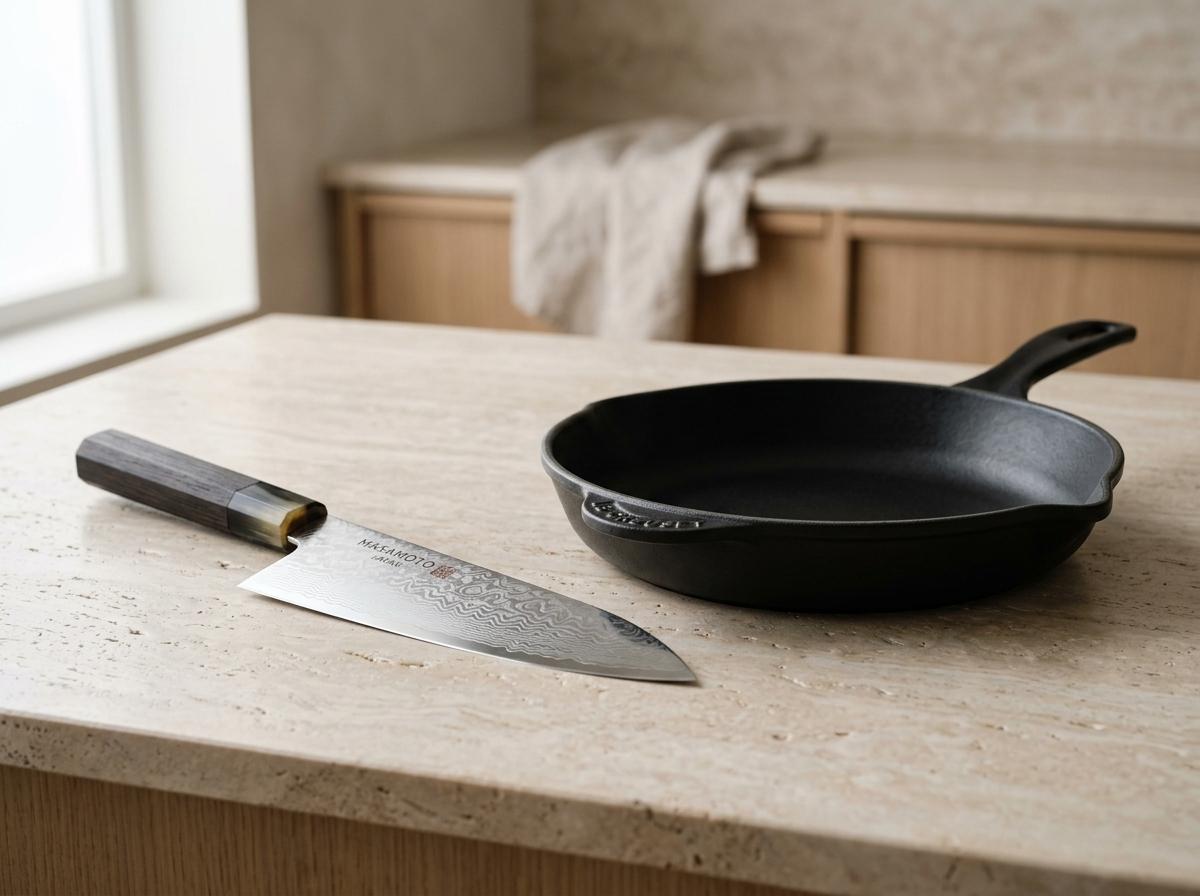
Preheat Skillet & Dry Protein Surface
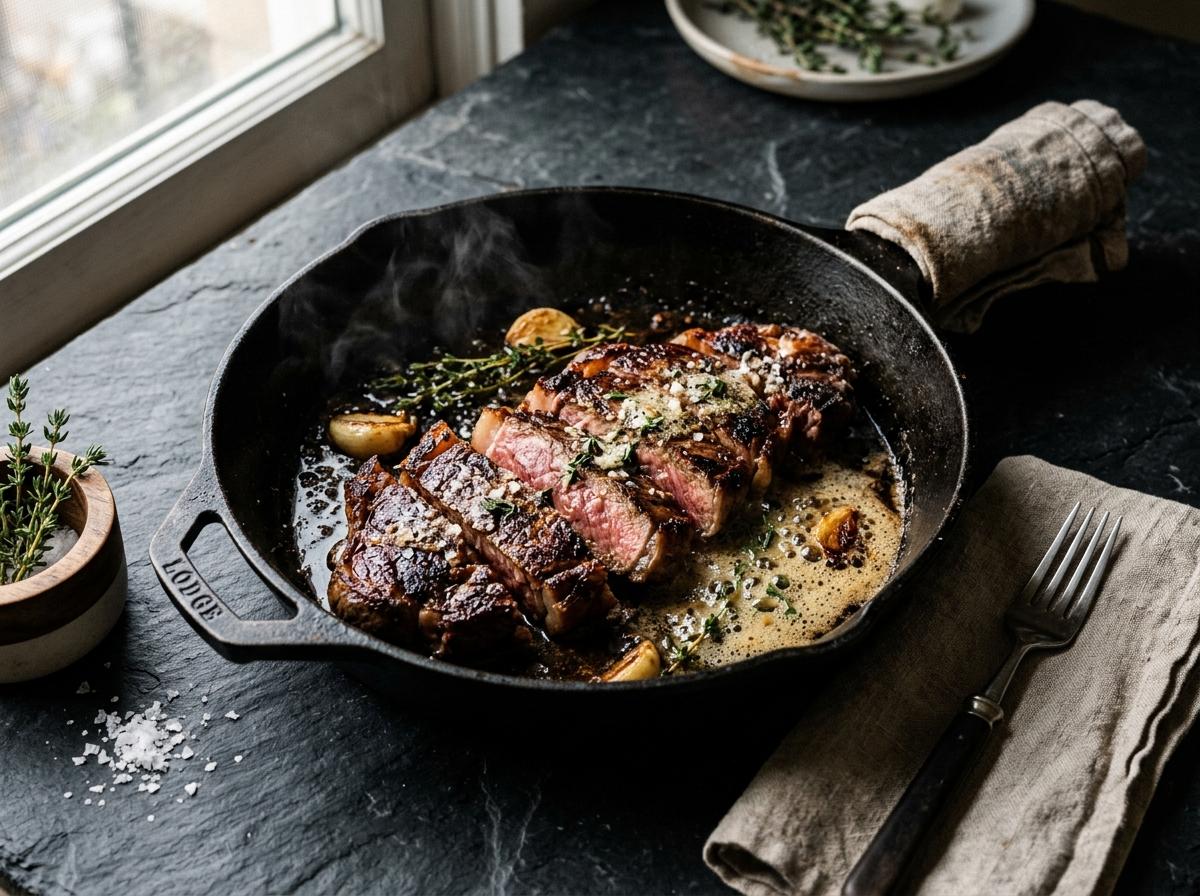
Verify USDA Internal Temperature
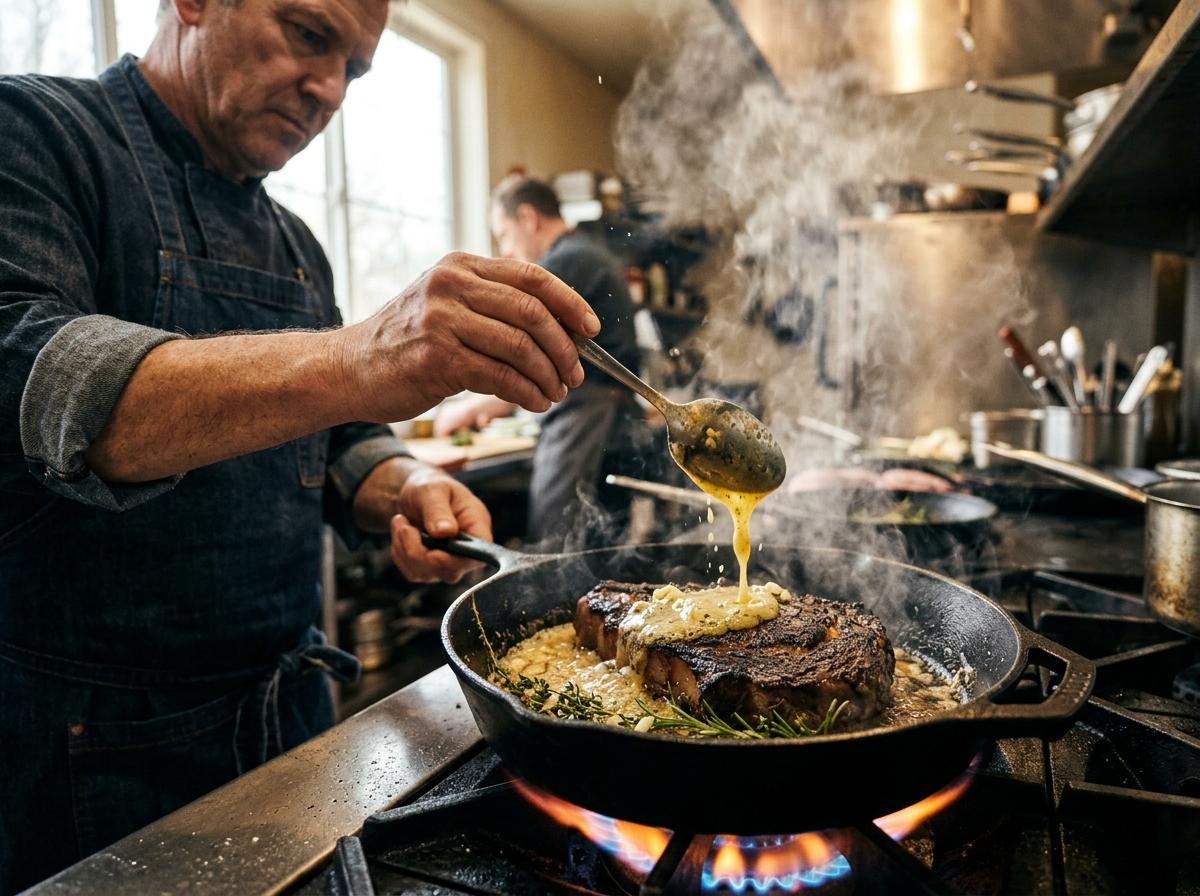
60-Second Fond Deglaze & Butter Swirl
| Original Ingredient | Recommended 1:1 Substitute | Culinary Impact |
|---|---|---|
| Dry White Wine (for Pan Deglazing) | Low-Sodium Chicken Broth + 1 Tbsp Fresh Lemon Juice or White Wine Vinegar | Lifts caramelized browned bits (fond) from the bottom of the skillet to build a quick pan sauce. |
| Flaky Kosher Salt vs. Fine Table Salt | Use half the volume (50%) when substituting fine table salt for flaky kosher salt | Fine table salt packs much more densely by volume than coarse flaky salt. |
Essential Cooking Tips: USDA Safe Meat Temperatures, Pan Deglazing & Herb Storage
Author: CookReel Editorial Team · Prep: 10 mins · Cook: 15 mins
Measured Ingredients (1x Batch)
Affiliate Disclosure: Recommended kitchen tools are independently selected by our editorial team. If you purchase through our partner links, CookReel may earn a small referral commission at no extra cost to you. See our Affiliate & Privacy Policy.
Step-by-Step Instructions & Timers
Click a step to load its timerPreheat dry skillet for 3 minutes until a drop of water glides across the surface, add oil, and sear dry protein.
Insert a digital food thermometer into the thickest center of the meat (74°C / 165°F for poultry; 63°C / 145°F for beef or fish) and transfer to a clean board.
Pour broth and lemon juice into the hot skillet, scrape up browned fond with a wooden spoon, turn off heat, and swirl in cold butter.
Why does meat or fish stick to my skillet even when I use oil?
Food sticks when the pan is too cold, the protein surface is wet, or you try to flip it before a crust forms. Pat food dry with paper towels, preheat the pan properly, and let the crust release naturally.
How can I fix a soup or sauce that became too salty?
Add unsalted broth or water to dilute the sodium concentration, swirl in a tablespoon of unsalted butter or cream, and finish with a squeeze of fresh lemon juice.
How do I convert an oven recipe to an Air Fryer?
Reduce the conventional oven temperature by 15°C (25°F) and reduce the cooking time by about 20%, checking for doneness a few minutes early.
Save This Recipe on Pinterest or Follow CookReel
Pin this recipe card to your weeknight cooking board or watch our short clips on social media.
Reader Reviews (0)
We only display authentic reviews submitted by readers. We never display fabricated review counts.